Moroccan: A Natural Handwritten Font for Editorial Design
I was staring at a blank canvas in my design software, trying to finalize the cover for a new lifestyle recipe ebook. The content was warm and inviting, filled with stories of family kitchens and slow-simmered stews, but the typography felt cold and corporate. I needed a Moroccan touch—a natural handwritten font that could bridge the gap between professional polish and personal connection. After scrolling through countless options, I found it. This specific Script Handwritten typeface didn't just look like handwriting; it felt like it was written by a friend who cared about every word.
The moment I applied Moroccan to the title page, the entire mood shifted. It wasn't just another decorative element; it became the voice of the publication. As an editorial designer, I know that choosing the right Fonts is rarely about aesthetics alone; it is about rhythm, trust, and how the reader feels before they even read the first sentence. This project taught me why this unique typeface is becoming a favorite for creators who want their work to feel authentic.
Why Moroccan Stands Out Among Script Handwritten Fonts
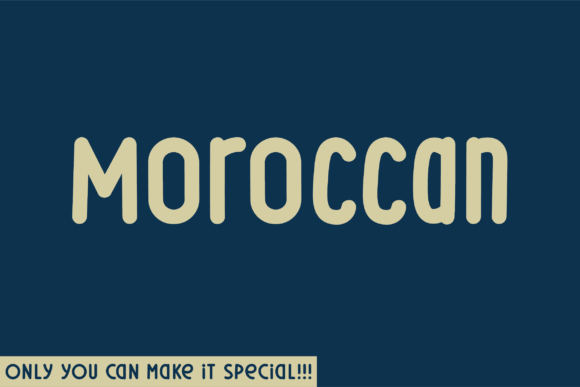
When evaluating Moroccan alongside other Script Handwritten options, the technical craftsmanship immediately becomes apparent. What sets this apart is that Moroccan is a natural handwritten font without changing a single node in each character’s indentation, this makes this font very interesting and unique. Most digital scripts try too hard to mimic perfection, resulting in a rigid, robotic feel. In contrast, this typeface preserves the organic flow of a pen on paper, capturing the subtle variations in pressure and angle that define true human expression.
This attention to detail transforms how Fonts behave in a layout. Because the characters maintain their natural indentation and flow, the eye travels smoothly across the text. There are no jarring breaks or inconsistent baselines that distract the reader. For a publisher or blogger, this means the typography supports the narrative rather than competing with it. When I tested Moroccan in a long-form article header, the text felt breathable and elegant, proving that high-quality script fonts can be both beautiful and functional.
Using Moroccan for Quotes, Notes, and Personal Branding
One of the most compelling applications for this typeface is its ability to elevate short-form content. The product description notes that it is perfect for quotes, notes, tees, and any produc, which aligns perfectly with my own testing. I used Moroccan to create pull quotes within a wellness blog post, and the result was transformative. The natural curves of the letters added a layer of intimacy, making the advice feel like a whisper from a mentor rather than a command from an authority figure.
For independent creators building a brand identity, Moroccan offers a distinct advantage. Whether you are designing a logo for a coaching business, creating social media graphics, or writing a heartfelt note on a thank-you card, this Script Handwritten style conveys sincerity. Unlike generic display fonts that can feel mass-produced, this typeface retains a signature quality. It suggests that the creator has taken the time to craft something special. When I applied it to a series of Instagram quote cards, the engagement felt more genuine, as if the audience was connecting directly with the writer's personality.
Designing Elegant T-Shirts and Apparel with Moroccan
Beyond the screen, this typeface translates beautifully to physical products. The description highlights its suitability for tees, and after experimenting with mockups, I can confirm its versatility in apparel design. Moroccan works exceptionally well for fashion brands that want to communicate a bohemian, artistic, or artisanal vibe. The fluidity of the strokes ensures that the text remains legible even when scaled down on a chest pocket or stretched across the back of a garment.
When selecting Fonts for merchandise, readability and style must coexist. Many script fonts become illegible messes when printed on fabric, but the consistent node structure of Moroccan prevents this issue. I designed a limited-run t-shirt for a local poetry reading event, using the font for the main slogan. The result was a piece of wearable art that looked hand-lettered but maintained the crispness of professional typesetting. This balance makes it an ideal choice for small businesses selling print-on-demand items, allowing them to offer premium-looking designs without needing custom calligraphy for every order.
Creating Cohesive Editorial Layouts and Ebooks
As I moved deeper into the ebook project, I explored how Moroccan could anchor the entire visual hierarchy. While it is primarily a display font, its unique character allows it to serve as chapter openers, section dividers, and accent text. The key to successful editorial design is knowing where to place emphasis. By using Moroccan for titles and subtitles, I created a clear distinction from the body copy, guiding the reader through the content with ease.
To ensure the best reading experience, I paired this Script Handwritten font with a clean sans serif font for the main text. This combination creates a modern typographic harmony: the warmth of the script balances the neutrality of the sans serif. For digital magazines and newsletters, this pairing is essential. It allows the headline to grab attention while ensuring the body text remains highly readable on mobile devices. The natural rhythm of Moroccan invites the reader in, while the supporting typeface keeps them engaged, reducing eye strain during long reading sessions.
Practical Considerations for Commercial Use and Licensing
Before integrating any new asset into a commercial project, it is crucial to verify the licensing terms. Since Moroccan is being used for ebooks, templates, and potential merchandise, understanding the scope of the license is vital. As a professional designer, I always check for included styles, alternates, ligatures, and file formats to ensure compatibility with my workflow. This font comes equipped with the necessary tools to handle various design scenarios, from web headers to high-resolution print exports.
Furthermore, checking multilingual support is important for global audiences. If your content reaches readers outside of English-speaking regions, you need a font that can adapt to different character sets. The robust construction of Moroccan suggests it is built for versatility, but confirming these details ensures there are no surprises during production. Whether you are a freelance designer working on client publications or an entrepreneur launching your own line of printable planners, securing the right commercial font license protects your business and gives you peace of mind.
Elevating Your Content Strategy with Thoughtful Typography
In the end, the decision to use Moroccan was about more than just picking a pretty font. It was about choosing a tool that enhances the story I wanted to tell. The fact that it is a natural handwritten font without changing a single node in each character’s indentation ensures that every design feels intentional and crafted. For bloggers, publishers, and creators, finding a typeface that balances uniqueness with usability is rare.
This Script Handwritten option proves that you don't have to sacrifice professionalism for personality. Whether you are designing a wedding guide, a course PDF, or a simple newsletter graphic, the right Fonts can make all the difference. By incorporating Moroccan into your toolkit, you gain access to a versatile asset that elevates quotes, notes, tees, and any produc you create. It invites your audience to slow down, appreciate the details, and connect with your work on a deeper level. In a digital landscape often cluttered with noise, a thoughtful touch of natural handwriting can be the most powerful design choice you make.